About
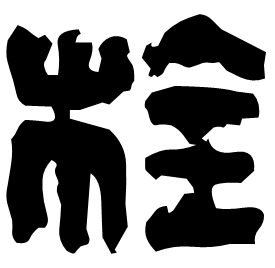
栓 (shuān) is a character for a physical plug, stopper, peg, or sliding bolt that closes an opening or secures a mechanism. Built from a semantic and a phonetic component, it combines 木 (mù, wood) and 全 (quán, whole, complete). The wood radical reflects the material traditionally carved into these items. 全 primarily gives the pronunciation rather than contributing its meaning. The character covers a wide range of practical fastening and sealing devices, including the wooden bolts of traditional doors, corks for bottles, and pins used in mechanical joints. The core concept is an object inserted into a gap to block passage or lock parts together.
Etymology Hide
Example Sentences Hide
请把门栓好。
他用绳子栓住了箱子。
马车栓在街道旁边。
医生说他患有血栓。
为了防止羊跑掉,牧民把羊栓在木桩上。
工人用螺栓栓紧了零件。
因为栓绳不结实,小狗差点挣脱了。
这种药物能有效溶解血管中的血栓。
Report an issue
Flag incorrect definitions, examples, etymology, etc.