About
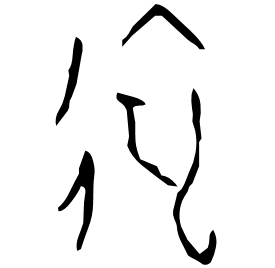
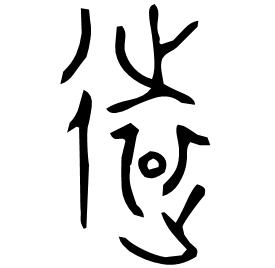
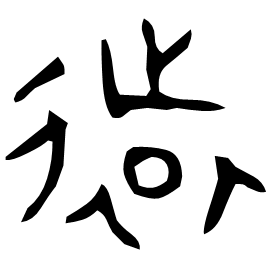
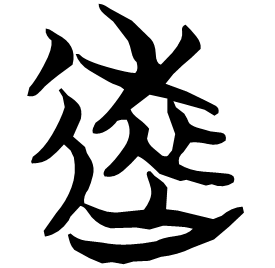
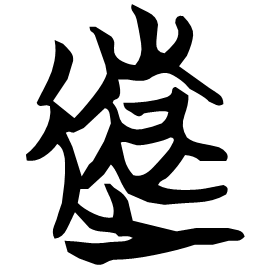
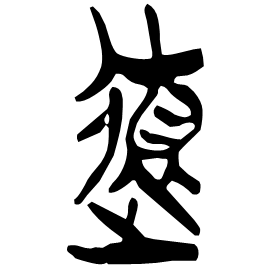
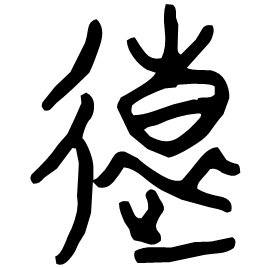
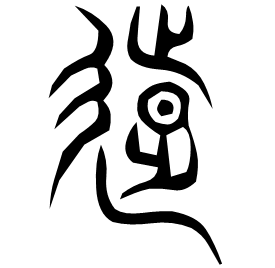
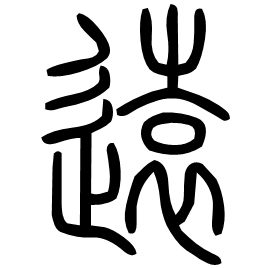
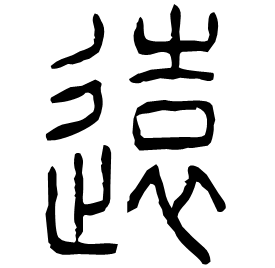
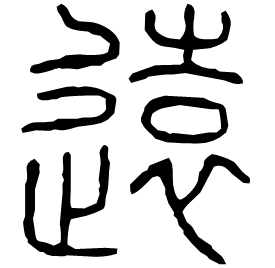
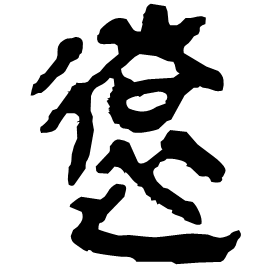
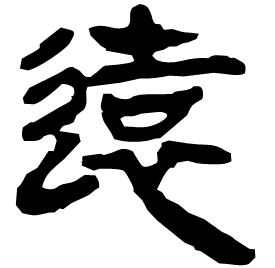
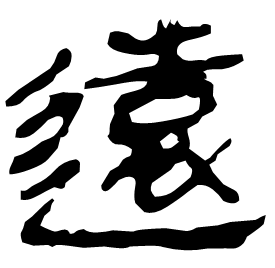
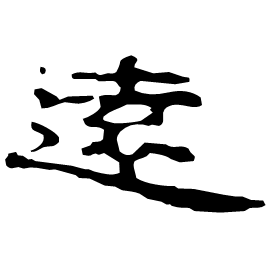
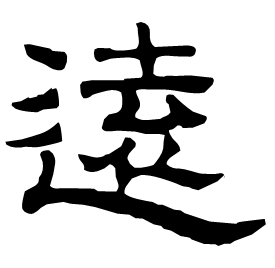
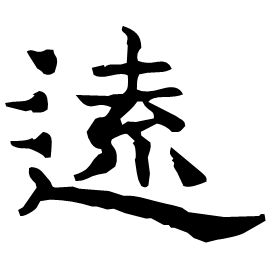
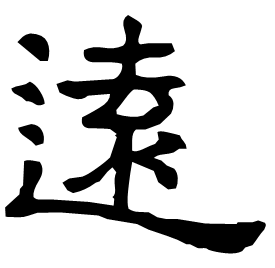
The traditional form 遠 combines the semantic radical 辶, indicating movement, with the phonetic component 袁. In the simplified form 远, the complex right side is replaced by the phonetic element 元, significantly reducing stroke count while preserving the movement radical. The core meaning is "distant" or "far", primarily describing physical distance between places. This concept extends to temporal distance, referring to the remote past or distant future, as well as abstract distinctions, such as remote relationships or profound differences between ideas.
Etymology Hide
Example Sentences Hide
我的朋友住得很远。
我们学校离车站不远。
他打算去远方旅行。
这个故事发生在遥远的古代。
从长远的观点看,这是对的。
望远镜能让我们看到远方的星星。
对未来的影响深远,我们必须谨慎决定。
即使相隔遥远,他们的友谊也从未改变。