Definitions

chǐ extravagant; wasteful; exaggerating

Etymology

A person  with more than they need

About

The character "侈" is structurally formed from the human radical 亻 and the component 多, meaning many, which together create a visual representation of a person associated with multiplicity or excess. Etymologically, this configuration points to early meanings centered on behavior that oversteps normative bounds, often describing lavish expenditures or arrogant conduct in classical texts. Over the centuries, its semantic range narrowed to emphasize material extravagance and wasteful consumption, while still retaining the fundamental notion of surpassing appropriate limits. The character's composition has remained unchanged, with its components continuing to encode the concept of abundance tied directly to human actions.

Etymology Hide

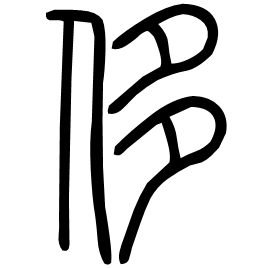
Seal etymology image
Seal Shuowen (~100 AD)
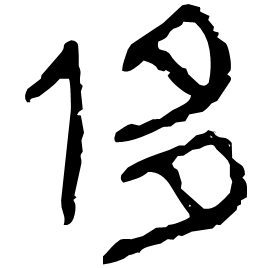
Clerical etymology image
Clerical Western Han dynasty (202 BC-9 AD)
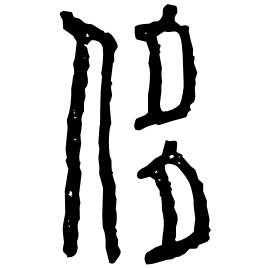
Seal etymology image
Seal Western Han dynasty (202 BC-9 AD)
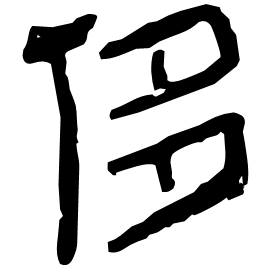
Clerical etymology image
Clerical Western Jin dynasty (266-316 AD)
Traditional Modern
Simplified Modern

Example Sentences Hide

他的生活太奢了。

Tā de shēnghuó tài shēchǐ le.

His lifestyle is too extravagant.

避免奢是一种美德。

Bìmiǎn shēchǐ shì yī zhǒng měidé.

Avoiding extravagance is a virtue.

靡的风气不可长。

Chǐmí de fēngqì bùkě zhǎng.

The trend of extravagance should not be encouraged.

她的消费比过去更奢

Tā de xiāofèi bǐ guòqù gèng shēchǐ.

Her spending is more luxurious than before.

我们不应该追求奢的生活。

Wǒmen bù yīnggāi zhuīqiú shēchǐ de shēnghuó.

We should not pursue a luxurious life.

的习惯会导致财务问题。

Shēchǐ de xíguàn huì dǎozhì cáiwù wèntí.

Extravagant habits can lead to financial problems.

社会上的奢现象令人担忧。

Shèhuì shàng de shēchǐ xiànxiàng lìng rén dānyōu.

The phenomenon of extravagance in society is worrying.

过度奢不仅浪费资源,还败坏风气。

Guòdù shēchǐ bùjǐn làngfèi zīyuán, hái bàihuài fēngqì.

Excessive extravagance not only wastes resources but also corrupts social morals.