Definitions

zuó (adverb) yesterday

Etymology

Phonosemantic compound. represents the meaning and represents the sound.

Semantic: Phonetic:

About

The character 昨, meaning "yesterday" or more broadly "the past", is constructed from the semantic component 日 (sun/day) combined with the phonetic component 乍. While 乍 originally depicted a tool for cutting or creating, here it primarily serves to suggest pronunciation. The character’s core concept has consistently related to a day in relation to the present, specifically the one that has just passed. Over time, its application expanded from strictly denoting the previous calendar day to functioning as a more general reference to prior times, as seen in words like 昨天 (yesterday) and 昨晚 (last night), while also appearing in terms such as 昨非 (past mistakes) to indicate a former state or condition.

Etymology Hide

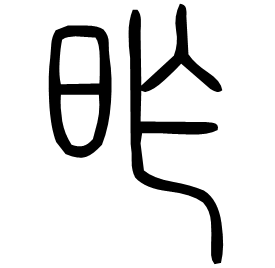
Seal etymology image
Seal Shuowen (~100 AD)
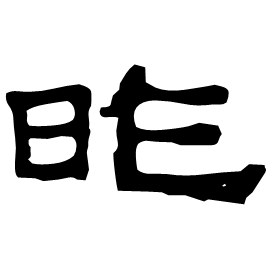
Clerical etymology image
Clerical Western Han dynasty (202 BC-9 AD)
Traditional Modern
Simplified Modern

Example Sentences Hide

天天气很好。

Zuótiān tiānqì hěn hǎo.

The weather was very nice yesterday.

天去了公园。

Wǒ zuótiān qùle gōngyuán.

I went to the park yesterday.

我们晚看了电影。

Wǒmen zuówǎn kànle diànyǐng.

We watched a movie last night.

天的会议很重要。

Zuótiān de huìyì hěn zhòngyào.

Yesterday's meeting was very important.

请忘记日的烦恼。

Qǐng wàngjì zuórì de fánnǎo.

Please forget about yesterday's troubles.

他至今怀念日的辉煌。

Tā zhìjīn huáiniàn zuórì de huīhuáng.

He still misses the glory of yesterday.

日的承诺今日兑现。

Zuórì de chéngnuò jīnrì duìxiàn.

Yesterday's promise is fulfilled today.

日的疲劳一扫而空。

Zuórì de píláo yì sǎo ér kōng.

The fatigue from yesterday is completely gone.