Definitions

kuáng (adjective) mad; crazy
kuáng (adjective) wild; violent
kuáng (verb) to be conceited; arrogant

Etymology

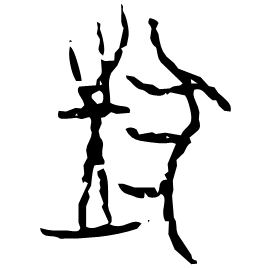
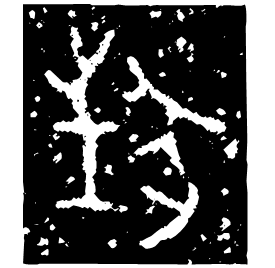
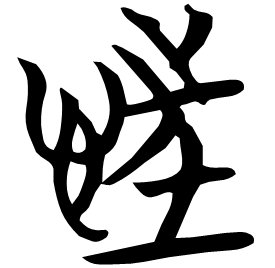
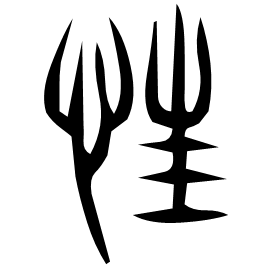
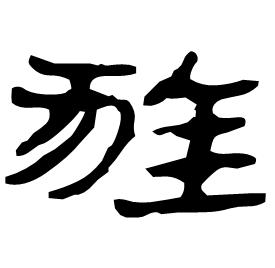
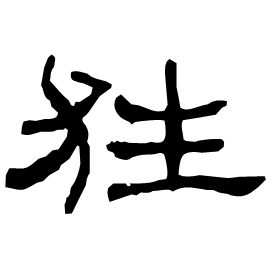
Phonosemantic compound. represents the meaning and represents the sound.

Semantic: Phonetic:

About

The character "狂" is structured with the canine radical (犭) on the left, which signifies its original connection to animal behavior, specifically the madness or rabies of a dog. Its right-hand component, 王, is often interpreted phonetically but may also contribute an associative sense of largeness or excess. From this concrete foundation of animalistic frenzy, its meaning expanded in classical texts to describe humans exhibiting extreme mental states, loss of reason, or wild, unrestrained conduct. Over centuries, the semantic range of "狂" further broadened to encompass not just pathological insanity but also intense, overwhelming emotions and actions that defy convention, including a more positive sense of passionate, unbounded enthusiasm, as seen in terms for romantic ardor or artistic abandon. The traditional form, which remains consistent in structure, thus carries a conceptual evolution from a specific physical malady in animals to a complex spectrum of human excess, both destructive and inspired.

Etymology Hide

Oracle etymology image
Oracle (~1250-1000 BC)
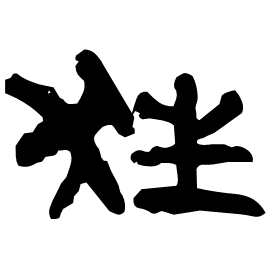
Bronze etymology image
Bronze Mid Western Zhou (~900 BC)
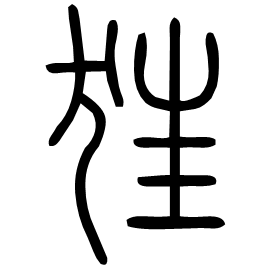
Seal etymology image
Seal Chu (Warring States: 475-221 BC)
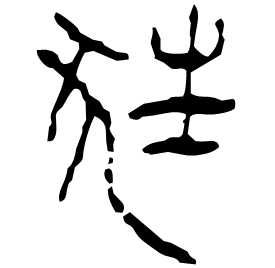
Seal etymology image
Seal Shuowen (~100 AD)
Seal etymology image
Seal Shuowen (~100 AD)
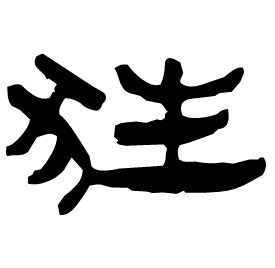
Clerical etymology image
Clerical Qin dynasty (221-206 BC)
Clerical etymology image
Clerical Qin dynasty (221-206 BC)
Clerical etymology image
Clerical Western Han dynasty (202 BC-9 AD)
Clerical etymology image
Clerical Western Han dynasty (202 BC-9 AD)
Clerical etymology image
Clerical Eastern Han dynasty (25-220 AD)
Traditional Modern
Simplified Modern

Example Sentences Hide

风暴雨来了。

Kuáng fēng bào yǔ lái le.

The storm with violent wind and rain is coming.

他对音乐很热。

Tā duì yīnyuè hěn kuángrè.

He is狂热 about music.

那个想法太疯了。

Nàge xiǎngfǎ tài fēngkuáng le.

That idea is too crazy.

妄自大。

Bié kuángwàng zìdà.

Don't be arrogant and conceited.

他欣喜若

Tā xīnxǐ ruò kuáng.

He is wild with joy.

这首诗充满浪漫的想。

Zhè shǒu shī chōngmǎn làngmàn de kuángxiǎng.

This poem is full of romantic fantasy.

这消息引发了一场潮。

Zhè xiāoxi yǐnfāle yī chǎng kuángcháo.

This news triggered a frenzy.

他在画布上野地挥洒色彩。

Tā zài huàbù shàng kuángyě de huīsǎ sècǎi.

He wildly splashes colors onto the canvas.