About
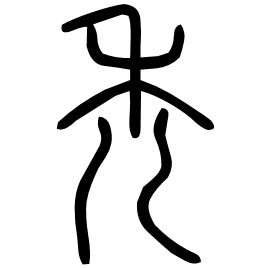
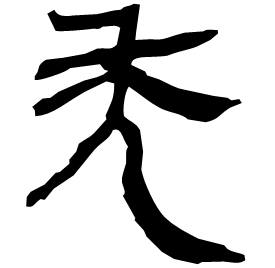
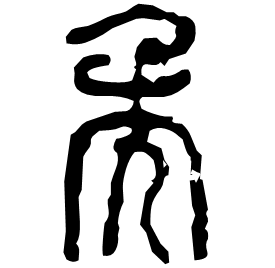
秃 is composed of the upper component 禾 (grain) and the lower component 几, which originally depicted a person but now resembles a small table. Its core meaning describes a bald head, but this extends to anything bare or stripped of its natural covering, like a barren mountain or a leafless tree. It can also refer to something being blunt or dull, such as a worn pencil tip.
Etymology Hide
Example Sentences Hide
他的头有点秃。
那个秃头的人是我叔叔。
冬天树叶都秃了。
他因为压力大开始秃顶。
这座山是秃的,没有树木。
秃鹫是一种吃腐肉的鸟类。
由于过度砍伐,这片土地变得秃秃的。
秃头问题困扰着许多中年男性。