About
屑 is a phono-semantic compound: the upper-left radical 尸, which can depict a corpse, a seated body, or a structural roof/overhang, contributes the meaning, while the interior component 肖 serves as the phonetic. The character's original concrete meaning refers to small fragments, crumbs, or bits that fall away during cutting, grinding, or carving. This notion of leftover scraps later extended abstractly to signify something trifling, insignificant, or beneath notice, and it is commonly used in negative constructions to express disdain or the act of dismissing something as trivial.
Etymology Hide
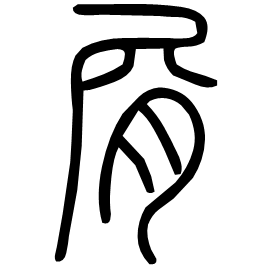
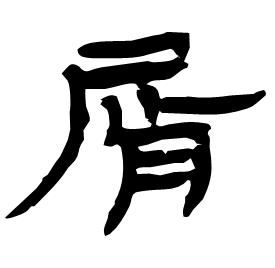
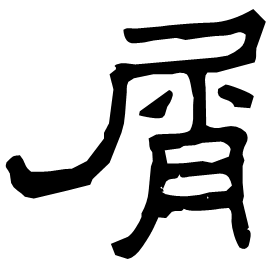
Example Sentences Hide
桌子上有一些纸屑。
他清理了地板上的食物屑。
风吹走了地上的落叶屑。
这些琐屑的事情不必担心。
他的态度显得很不屑。
不要为那些琐屑的争论浪费精力。
她对他的道歉表示不屑,转身离开了。
对于这种琐屑的日常事务,他从来都不屑于亲自处理。
Report an issue
Flag incorrect definitions, examples, etymology, etc.