Definitions

rǎo (verb) to disturb; to trouble; to bother

Etymology

Phonosemantic compound. represents the meaning and represents the sound. Simplified form of .

Semantic: Phonetic:

About

The traditional character '擾' is structured with the hand radical '扌' on the left and the component '憂' on the right, the latter contributing a sense of distress to form the original meaning of disturbing or agitating through manual action. Over time, its semantic scope narrowed to focus on causing disorder or interference. In the simplified character '扰', the complex component '憂' was replaced by '尤', which historically served a phonetic function, while the hand radical '扌' was kept to maintain the association with physical action, and the core meaning of disturbance has continued unchanged through this structural modification.

Etymology Hide

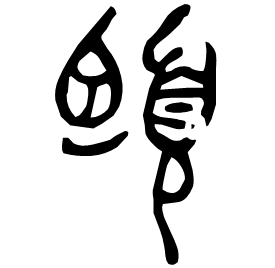
Bronze etymology image
Bronze Late Western Zhou (~800 BC)
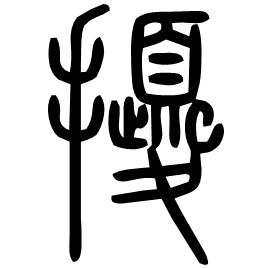
Seal etymology image
Seal Shuowen (~100 AD)
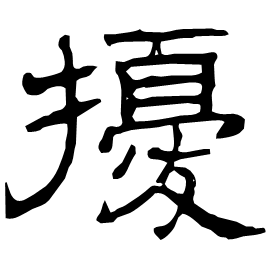
Clerical etymology image
Clerical Eastern Han dynasty (25-220 AD)
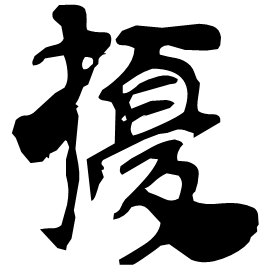
Clerical etymology image
Clerical Western Jin dynasty (266-316 AD)
Traditional Modern
Simplified Modern

Example Sentences Hide

请不要打我。

Qǐng bùyào dǎrǎo wǒ.

Please don't disturb me.

噪音干学习。

Zàoyīn gānrǎo xuéxí.

Noise interferes with studying.

她的哭声打了邻居。

Tā de kūshēng dǎrǎo le línjū.

Her crying disturbed the neighbors.

乱了我的计划。

Tā rǎoluànle wǒ de jìhuà.

He disrupted my plan.

这个问题困了我很久。

Zhège wèntí kùnrǎo le wǒ hěn jiǔ.

This problem has troubled me for a long time.

外部干会影响比赛结果。

Wàibù gānrǎo huì yǐngxiǎng bǐsài jiéguǒ.

External interference can affect the game result.

网络干导致信号中断。

Wǎngluò gānrǎo dǎozhì xìnhào zhōngduàn.

Network interference caused signal interruption.

持续不断的噪音乱了整个社区的宁静。

Chíxù bùduàn de zàoyīn rǎoluànle zhěnggè shèqū de níngjìng.

The constant noise disturbed the peace of the entire community.