Definitions
About
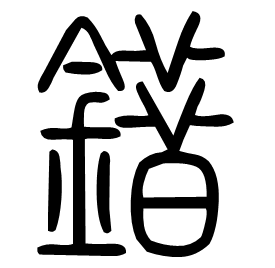
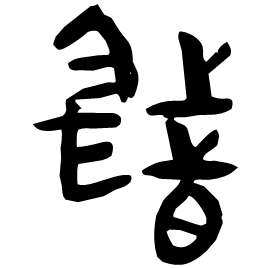
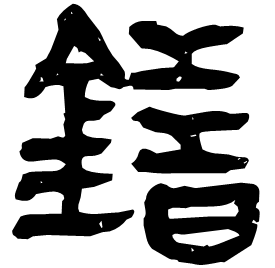
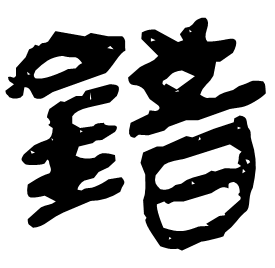
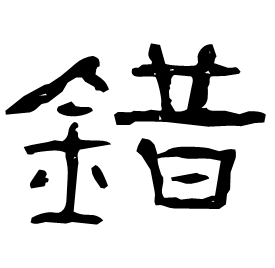
错 is the simplified form of 錯, a phono-semantic compound that combines the metal radical 金 (simplified to 钅 on the left) with the phonetic component 昔. The character originally referred to a grindstone used for polishing jade. It also denoted the decorative technique of inlaying gold and silver into other metals, a process that required interlocking and alternating the pieces. This intertwining gave rise to the extended senses of "mix" and "disorder", and from there the meaning shifted to the modern sense of "wrong" or "mistake".
Etymology Hide
Example Sentences Hide
这是我的错。
你完全错了。
我犯了一个错误。
不要错过这班车。
这个决定是错的。
他错过了最后的航班。
如果我们错了,请纠正我们。
错误的信息会导致严重的后果。
Report an issue
Flag incorrect definitions, examples, etymology, etc.