About
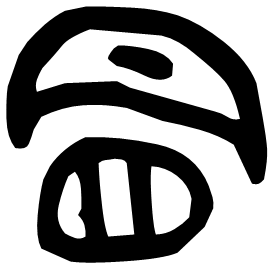
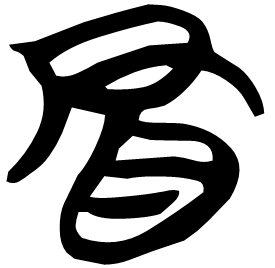
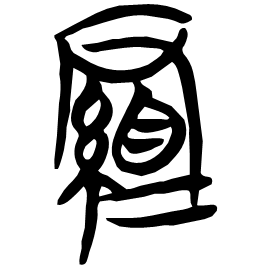
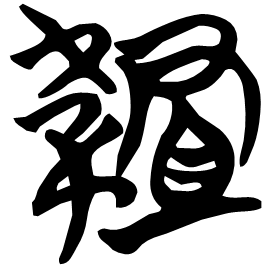
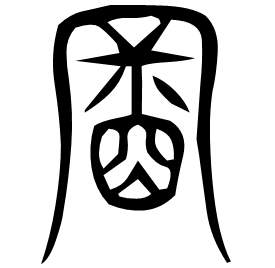
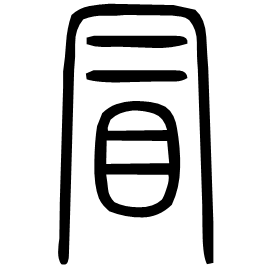
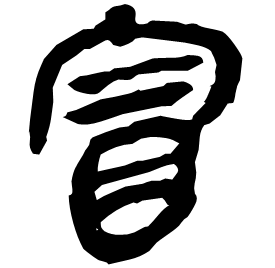
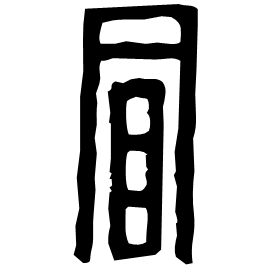
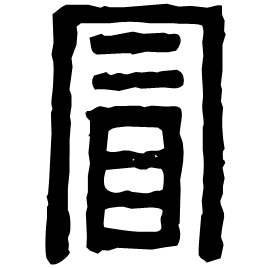
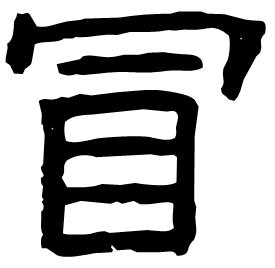
Formed by 冃 (an ancient hat) over 目 (eye), 冒 was originally a pictograph of a hat pulled low over the eyes, and its earliest meaning was "hat". The covering action then led to the sense "cover", which later branched into "feign" (pretending to be something else), "offend", and "risk" (acting recklessly in the face of danger). The character separately developed the meaning of emitting or rising upward, like smoke from a fire or water bubbling up from a spring.
Etymology Hide
Example Sentences Hide
他冒着雨跑回家。
煮面时小心水冒出来。
感冒了就不要冒风出门。
他冒险去救那只小猫。
他的行为冒犯了很多人。
这个计划存在很大的冒进风险。
她敢于冒天下之大不韪说出真相。
在复杂局面下贸然行动是危险的冒失。
Report an issue
Flag incorrect definitions, examples, etymology, etc.