About
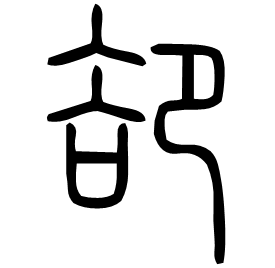
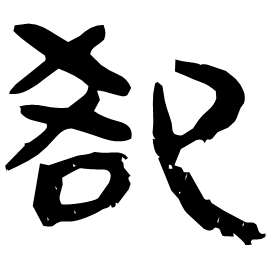
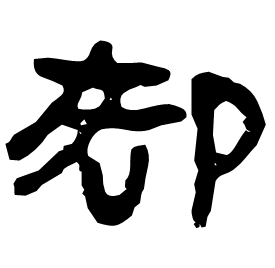
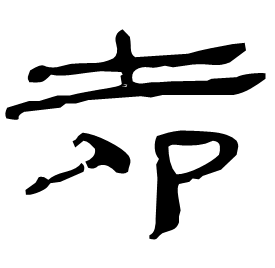
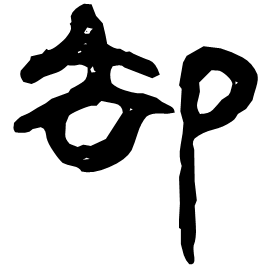
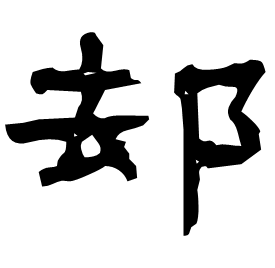
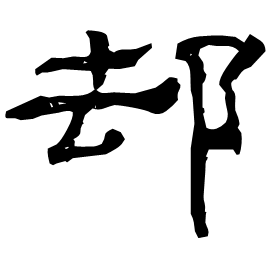
却 is the simplified form of 卻, originally composed of 谷 and 卩. In its current structure, the kneeling person radical 卩 carries the meaning, while 去 serves as the phonetic component. The character's early senses were physical, retreating, stepping back, or refusing an offer. This notion of withdrawal later developed into a common adversative conjunction, used to mark contrast with meanings like "but", "yet", or "however" in a sentence.
Etymology Hide
Example Sentences Hide
我很累,却睡不着。
他明明知道,却不说。
天气很热,我却觉得冷。
她虽然年轻,却很有经验。
我努力学习了,成绩却不好。
他嘴上答应得快,行动却总是拖延。
这本书看起来很难,读起来却很有趣。
尽管面临诸多挑战,他却从未放弃自己的梦想。
Report an issue
Flag incorrect definitions, examples, etymology, etc.