About
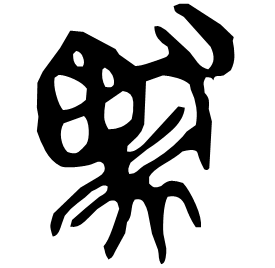
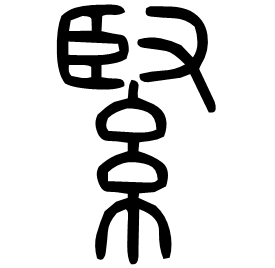
紧 is the simplified form of 緊, a phono-semantic compound. Its lower element, 纟 (traditional 糹), means silk or thread and indicates the semantic category. The upper portion is the phonetic 臤 (qiān), which also suggests firmness; in the simplified character it is written like the top of 坚. Originally, the character described a thread or string pulled taut without any slack. This physical tightness later extended to abstract meanings such as urgency, intense pressure, strictly enforced rules, and scarcity of time or resources, reflecting a shift from mechanical tension to psychological and circumstantial strain.
Etymology Hide
Example Sentences Hide
时间很紧张。
请抓紧时间。
这是紧急情况。
我们紧密合作。
这件衣服太紧了。
这件事非常要紧。
经济紧缩政策有效吗?
紧绷的弦容易断。
Report an issue
Flag incorrect definitions, examples, etymology, etc.