About
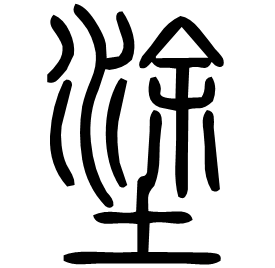
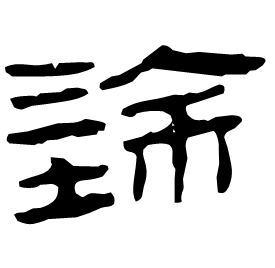
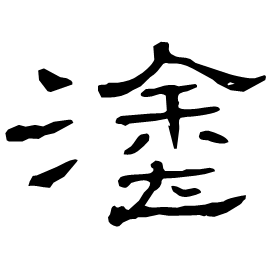
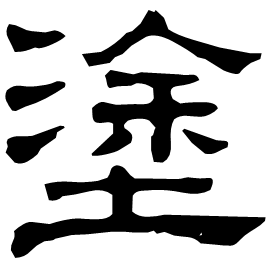
The modern character 涂 is the simplified form of the traditional character 塗, merging distinct historical meanings into one written form. Originally, 涂, composed of the water radical 氵 and the phonetic component 余, functioned chiefly as a proper name for rivers and as a surname. The traditional 塗 added the earth radical 土 to 氵 and 余, denoting mud, mire, or the physical act of spreading, smearing, or applying a wet coating. By combining these, the current 涂 encompasses both the geographical or nominal sense of the river name and the meanings of smearing, painting, or scribbling out text. This merger removed the earth radical, simplifying the character while the water radical and phonetic element now convey the combined semantic range of both historical forms.
Etymology Hide
Example Sentences Hide
我在纸上涂颜色。
她涂抹防晒霜。
工人正在涂油漆。
孩子们喜欢涂鸦。
他用刷子涂涂料。
为了防止生锈,他涂了层油。
如果你涂得太厚,油漆会滴下来。
艺术家用独特的技巧涂抹出美丽的画面。