About
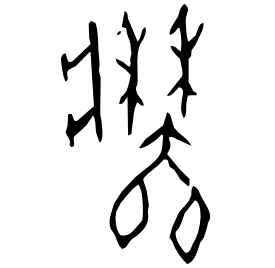
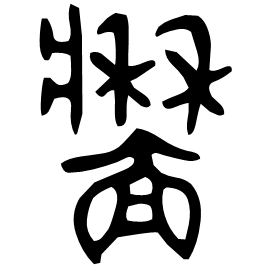
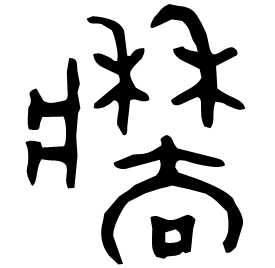
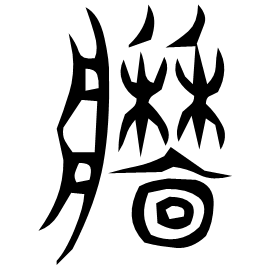
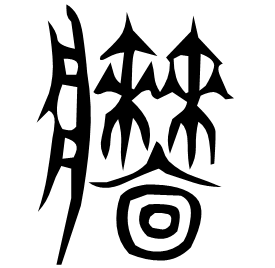
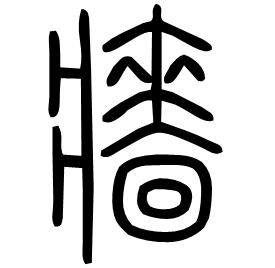
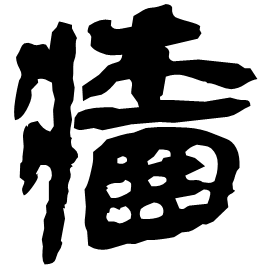
The traditional character 牆 is a phonosemantic compound: the left component 爿, originally a pictograph of a split piece of wood, indicates the sound (qiáng), while the right component 嗇 (sè) conveys the meaning. 嗇 once depicted a granary or an enclosed storage space, evoking the idea of a surrounding wall. In the simplified form 墙, the left side was replaced with 土 (earth) to emphasize the primary material of ancient walls, and the right side was streamlined to 啬. The character primarily denotes a physical wall or barrier used for enclosure, structural support, or defense, and metaphorically extends to any obstacle or boundary separating people, concepts, or areas.
Etymology Hide
Example Sentences Hide
这面墙很白。
我们的教室有一面大墙。
他在墙上贴了一张地图。
公园的围墙是红色的。
古老的城墙吸引了很多游客。
这堵墙的隔音效果非常好。
墙角的爬山虎长得非常茂盛。
城墙的保护工作正在有序进行。
Report an issue
Flag incorrect definitions, examples, etymology, etc.