About
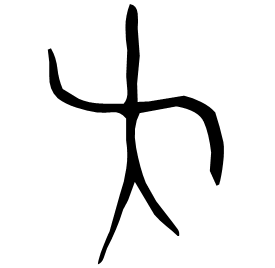
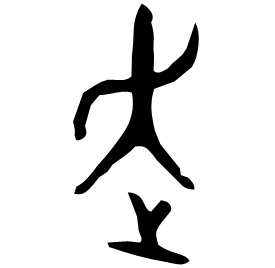
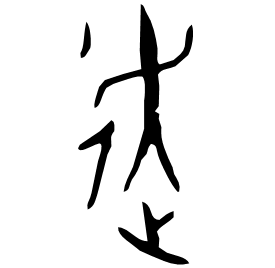
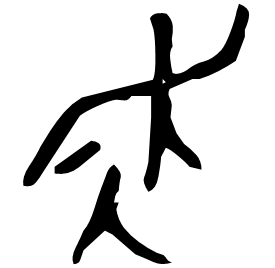
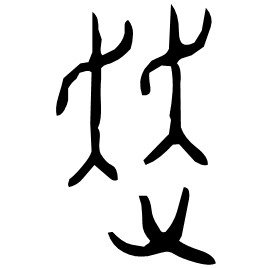
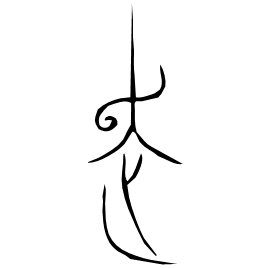
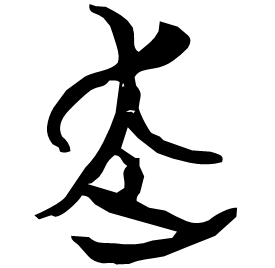
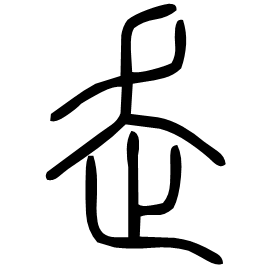
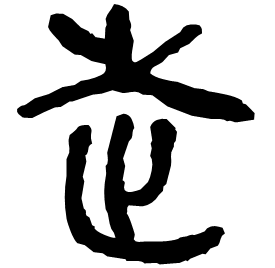
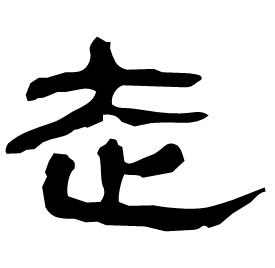
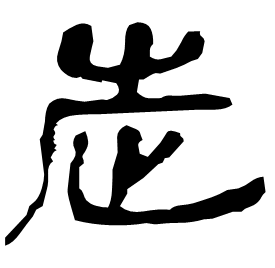
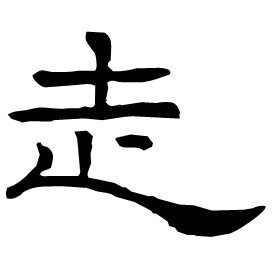
走 combines 夭 (a person with swinging arms) and 止 (a foot). Originally written as 夭 alone, the addition of 止 emphasized rapid movement, and the character specifically meant "to run". Over time, its meaning broadened to the general sense of walking or moving on foot. Today it can express physical locomotion, departure, or the functioning and progress of things, while the concept of running shifted to other words. In its modern form, the upper component visually resembles 土 (earth), a graphic simplification of the original figure.
Etymology Hide
Example Sentences Hide
我走路去学校。
他每天走路回家。
我们一起走吧。
小狗在公园里走。
我朋友喜欢在晚上走路。
因为下雨,我们不能出去走。
走这段路需要半个小时。
如果你走得累,我们可以休息一下。
Report an issue
Flag incorrect definitions, examples, etymology, etc.