About
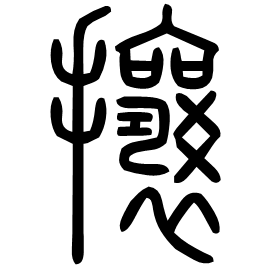
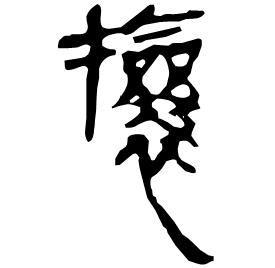
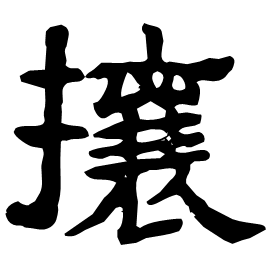
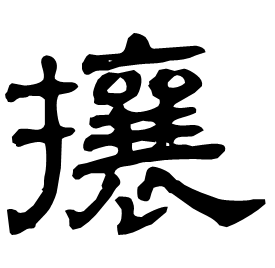
攘 is a phono-semantic compound: the hand radical 扌 on the left signifies a manual action, and the right component 襄 provides the pronunciation. The character has several senses, all connected to vigorous use of the hands. It can mean to seize property by force, to repel invaders, or, in classical texts, to roll up one's sleeves, a gesture that signals readiness and determination before labor or a physical confrontation.
Etymology Hide
Example Sentences Hide
我们必须团结起来,攘除外敌。
市场上人来人往,熙熙攘攘。
历史上这个国家多次攘御了外族入侵。
这项政策旨在安内攘外,巩固政权。
面对谣言,他公开发表声明以攘斥不实之辞。
这部小说描写了乱世中志士攘夷报国的故事。
他慷慨激昂地陈词,力主攘除弊政,推行改革。
在战略上,他们采取了以守为攻、伺机攘夺的策略。
Report an issue
Flag incorrect definitions, examples, etymology, etc.