About
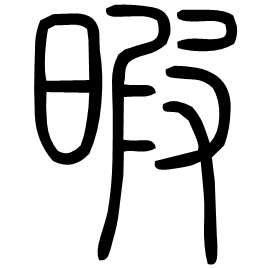
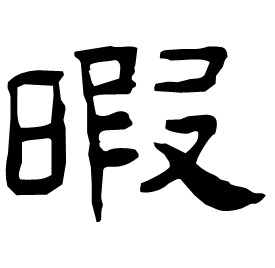
暇 is a phono-semantic compound, with the sun or day radical 日 on the left linking it to the passage of time and the measurement of hours in a day. The right side contains the component 叚, which serves as the phonetic. The character's meaning centers on leisure, free time, or a temporary break from work and pressing responsibilities. It conveys the unoccupied moments of rest available between mandatory tasks, emphasizing relaxation and the absence of urgent duties during one's daily routine.
Etymology Hide
Example Sentences Hide
我有很多闲暇时间。
他忙得无暇吃饭。
周末我们享受闲暇时光。
工作之余,我才有暇看书。
她总是抽暇陪伴家人。
在繁忙的生活中,寻找闲暇并不容易。
即使再忙,他也设法偷暇练习钢琴。
现代人常抱怨无暇顾及个人兴趣。
Report an issue
Flag incorrect definitions, examples, etymology, etc.