About
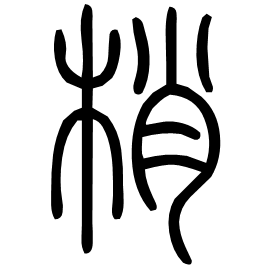
梢 is a phono-semantic compound combining 木 'tree' on the left as the meaning component and 肖 'shao' on the right for its sound. Originally, it denoted the slender tapering tip of a tree branch. Its meaning later expanded metaphorically to refer to the extreme end or tip of anything, like the tip of a rope, the end of a boat, or the trailing end of a person's hair.
Etymology Hide
Example Sentences Hide
鸟儿停在树梢上。
风吹动了柳树的梢。
他看到了远处的树梢。
她的眉梢带着笑意。
月亮挂在树梢之间。
小猫爬上了树的梢头。
问题的末梢需要仔细处理。
在神经末梢传递信号时速度非常快。
Report an issue
Flag incorrect definitions, examples, etymology, etc.