About
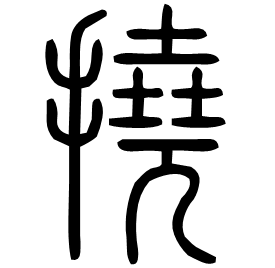
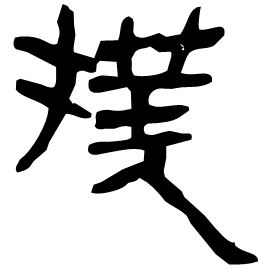
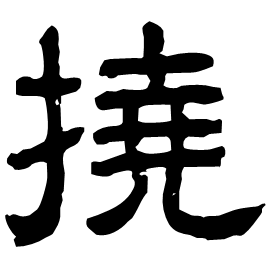
挠 is a phonosemantic compound: the hand radical 扌 provides the meaning, while the component 尧 (náo) gives the sound. The traditional form 撓 uses the same radical with the more complex phonetic 堯. The character primarily denotes the physical act of scratching or scraping with fingers or claws, as in relieving an itch. Figuratively, it means to hinder or thwart someone's plans, and to yield or flinch under force or pressure.
Etymology Hide
Example Sentences Hide
我在挠痒痒。
别挠那个伤口。
小猫喜欢挠沙发。
这个问题让我挠头。
他挠了挠发痒的鼻子。
挠痒可以暂时缓解不适。
没有人能阻挠他的决定。
持续的挠抓会导致皮肤损伤。
Report an issue
Flag incorrect definitions, examples, etymology, etc.