Definitions

chā (noun) fork; prong; cross; X
chá (verb) to intersect; to cross
chǎ (verb) to spread apart; to diverge

Etymology

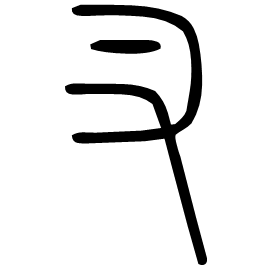
Depicts an object being held between fingers in the hand ().

About

The character "叉" originates from a pictographic representation of a hand with fingers parted, depicting the action of forking or pinching something between them, which directly informs its core meaning as a noun for a fork-like tool or a verb meaning to cross or intersect. Its structure, composed of a central stroke crossed by a shorter one, visually conveys this idea of branching or crossing paths. Over time, while retaining its primary concrete sense, its usage broadened to form words describing actions such as poking or spearing, as well as abstract concepts of intersection and divergence, solidifying its role in describing both physical forms and conceptual interactions.

Etymology Hide

Seal etymology image
Seal Shuowen (~100 AD)
Traditional Modern
Simplified Modern

Example Sentences Hide

他把子放在桌上。

Tā bǎ chāzi fàng zài zhuō shàng.

He put the fork on the table.

我右手拿着一个子。

Wǒ yòushǒu názhe yī gè chāzi.

I am holding a fork in my right hand.

这辆车正在搬运货物。

Zhè liàng chāchē zhèngzài bānyùn huòwù.

This forklift is moving goods.

渔民使用鱼捕获大鱼。

Yúmín shǐyòng yúchā bǔhuò dà yú.

Fishermen use harpoons to catch big fish.

两条小路在前面交

Liǎng tiáo xiǎolù zài qiánmiàn jiāochā.

Two paths intersect ahead.

这家店的烧非常美味。

Zhè jiā diàn de chāshāo fēicháng měiwèi.

The barbecued pork from this shop is very delicious.

着腰站在门口等人。

Tā chāzhe yāo zhàn zài ménkǒu děng rén.

He stood at the door with his hands on his hips, waiting for someone.

我们在那个三岔路口向右拐。

Wǒmen zài nàgè sānchà lùkǒu xiàng yòu guǎi.

We turned right at that three-way intersection.