Definitions

(noun) night

Etymology

Phonosemantic compound. represents the meaning and represents the sound.

About

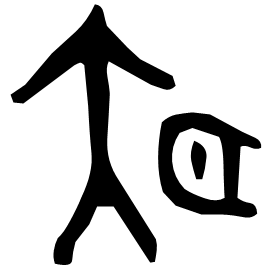
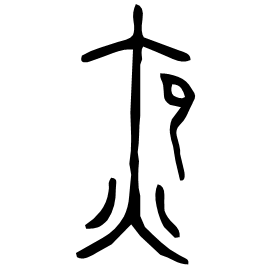
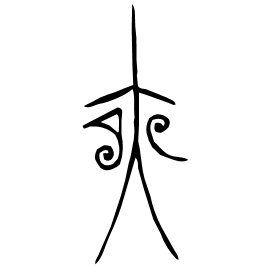
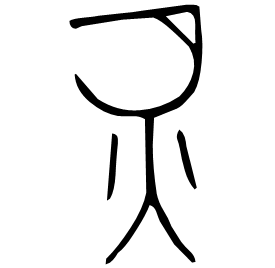
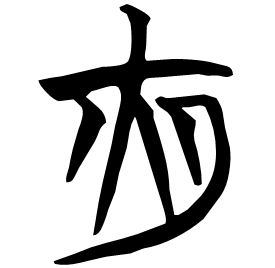
The character "夜", representing the concept of night, derives from an etymological blend where the component "夕", indicating evening, merges with "亦", which primarily provides phonetic guidance. This structural formation has consistently conveyed the idea of the dark period following sunset throughout its historical usage. While its graphic representation has seen some stylistic adjustments over time, the core composition has remained intact, preserving the interplay between meaning and sound. The semantic range of "夜" has stayed closely aligned with nighttime, though in literary contexts it occasionally extended to metaphors for obscurity or the conclusion of daily activities. Its enduring form, unchanged by any major orthographic reduction, continues to symbolize the nocturnal hours in written Chinese.

Etymology Hide
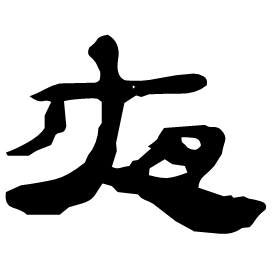
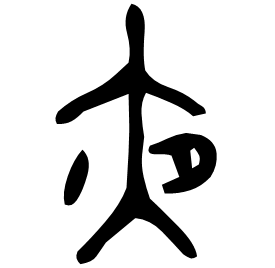
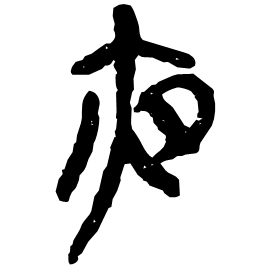
Bronze etymology image
Bronze Mid Western Zhou (~900 BC)
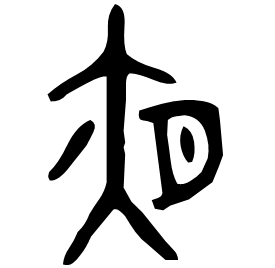
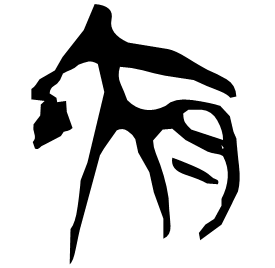
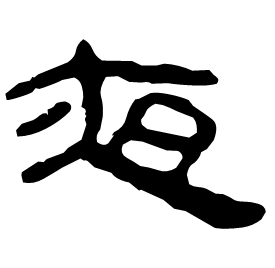
Bronze etymology image
Bronze Mid Western Zhou (~900 BC)
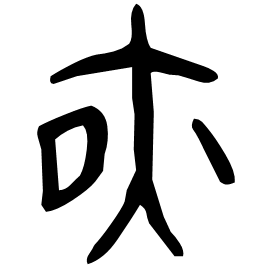
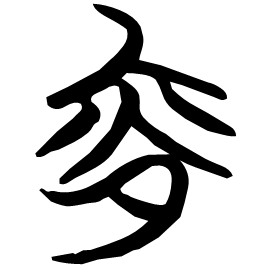
Bronze etymology image
Bronze Mid Western Zhou (~900 BC)
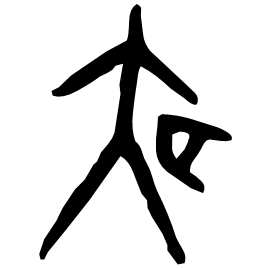
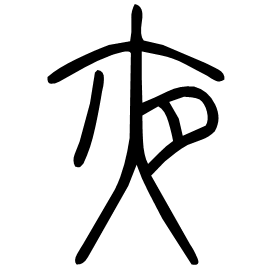
Bronze etymology image
Bronze Late Western Zhou (~800 BC)
Bronze etymology image
Bronze Late Western Zhou (~800 BC)
Bronze etymology image
Bronze Late Warring States (~250 BC)
Bronze etymology image
Bronze Late Warring States (~250 BC)
Bronze etymology image
Bronze Late Warring States (~250 BC)
Seal etymology image
Seal Chu (Warring States: 475-221 BC)
Seal etymology image
Seal Chu (Warring States: 475-221 BC)
Seal etymology image
Seal Chu (Warring States: 475-221 BC)
Seal etymology image
Seal Shuowen (~100 AD)
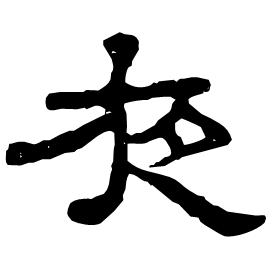
Clerical etymology image
Clerical Qin dynasty (221-206 BC)
Clerical etymology image
Clerical Western Han dynasty (202 BC-9 AD)
Clerical etymology image
Clerical Western Han dynasty (202 BC-9 AD)
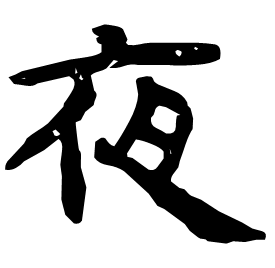
Clerical etymology image
Clerical Eastern Han dynasty (25-220 AD)
Clerical etymology image
Clerical Wu (Three Kingdoms: 222-280 AD)
Traditional Modern
Simplified Modern

Example Sentences Hide

晚很安静。

Yèwǎn hěn ānjìng.

The night is very quiet.

他回家了。

Shēnyè tā huí jiā le.

He returned home late at night.

我们昨看了电影。

Wǒmen zuóyè kànle diànyǐng.

We watched a movie last night.

晚的天空真美丽。

Yèwǎn de tiānkōng zhēn měilì.

The night sky is really beautiful.

突然下起了雨。

Bànyè tūrán xià qǐle yǔ.

It suddenly started raining at midnight.

他经常工作到深

Tā jīngcháng gōngzuò dào shēnyè.

He often works until late at night.

晚的都市灯光璀璨。

Yèwǎn de dūshì dēngguāng cuǐcàn.

The city lights are brilliant at night.

在宁静的晚,我喜欢读书。

Zài níngjìng de yèwǎn, wǒ xǐhuān dúshū.

On quiet nights, I like to read.