About
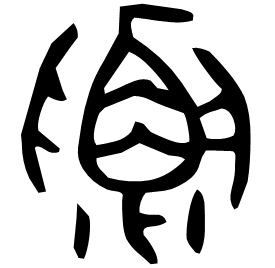
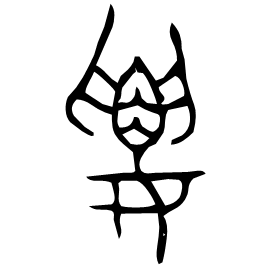
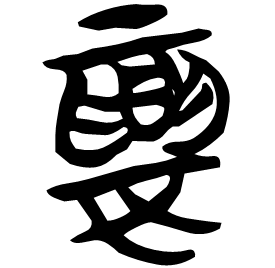
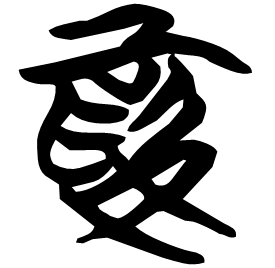
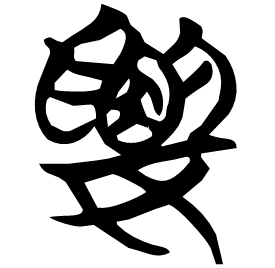
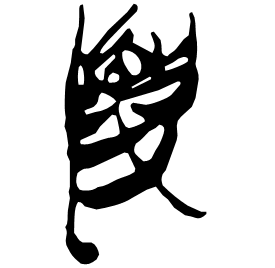
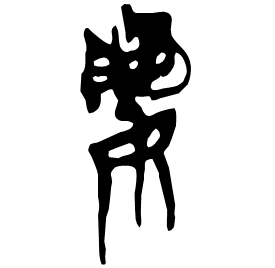
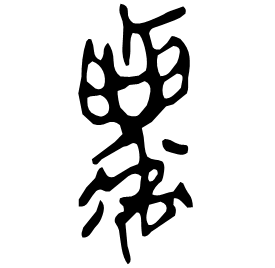
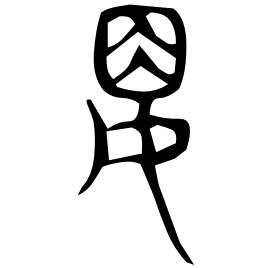
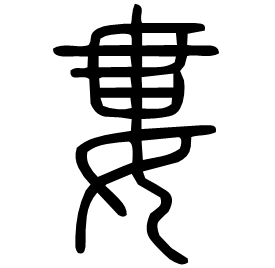
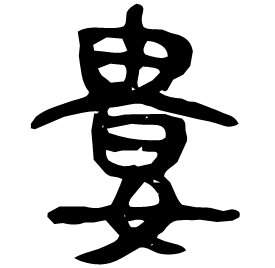
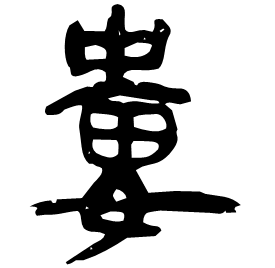
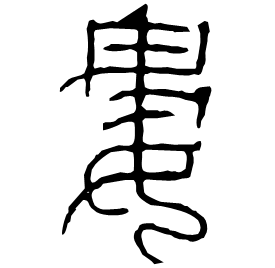
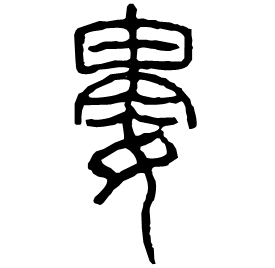
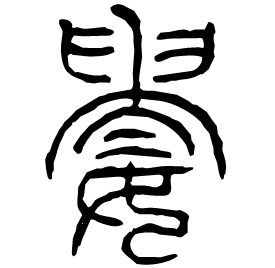
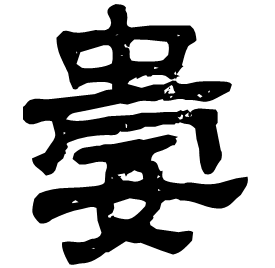
娄 is the simplified form of the traditional character 婁, both built on the woman radical 女 at the bottom. In 婁, the upper component originally depicted two hands clasping a woman's waist, giving the original meaning "to hug", a sense now written with the hand radical as 摟. The simplified character replaces this intricate image with a top section that resembles a modified rice character 米. Today, 娄 functions almost exclusively as a phonetic loan, used as a common Chinese surname and as the designation for one of the Twenty-Eight Mansions in the traditional constellation system, while its early verbal meaning has fallen out of use.
Etymology Hide
Example Sentences Hide
我们爬上了娄山。
娄烦是个古老的县名。
山西省有娄烦县。
这出地方戏属于娄剧。
他正在研究娄剧的历史。
那位教授姓娄,学问很深。
根据记载,娄人曾在此地聚居。
这一带的地貌属于典型的喀斯特溶蚀洼地,俗称"娄"。
Report an issue
Flag incorrect definitions, examples, etymology, etc.