Definitions

làng (noun) wave; breaker
làng (adjective) unrestrained; wasteful; dissipated
làng (verb) to wander; to roam

Etymology

Phonosemantic compound. represents the meaning and represents the sound.

Semantic: Phonetic:

About

The character "浪" originated as a phono-semantic compound, combining the water radical "氵" with the component "良", which primarily provides phonetic guidance but may also subtly suggest a sense of "flowing". Its core meaning historically pertained to the movement of water, specifically large waves or unrestrained flowing, which then extended metaphorically to describe things characterized by a similar lack of constraint or pattern. This semantic extension is evident in its application to concepts like wandering without aim ("流浪") or behavior perceived as frivolous and unrestrained ("浪荡"). The traditional form of the character is identical to its simplified version, maintaining this structure throughout its history, and its meanings have consistently oscillated between the literal description of moving water and these more abstract, often human, applications of unbound energy or conduct.

Etymology Hide

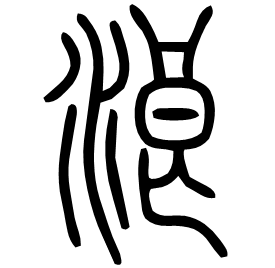
Seal etymology image
Seal Shuowen (~100 AD)
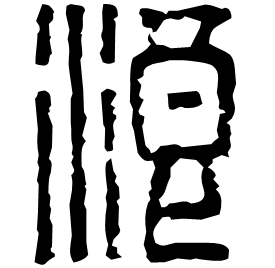
Seal etymology image
Seal Western Han dynasty (202 BC-9 AD)
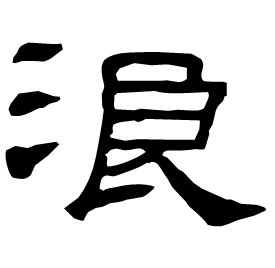
Clerical etymology image
Clerical Eastern Han dynasty (25-220 AD)
Traditional Modern
Simplified Modern

Example Sentences Hide

今天的海很大。

Jīntiān de hǎilàng hěn dà.

Today's ocean waves are very big.

他喜欢看花。

Tā xǐhuān kàn lànghuā.

He likes to watch the wave foam.

不要费食物。

Bùyào làngfèi shíwù.

Do not waste food.

费时间是错误的。

Làngfèi shíjiān shì cuòwù de.

Wasting time is wrong.

他们的爱情很漫。

Tāmen de àiqíng hěn làngmàn.

Their love is very romantic.

拍打着岩石。

Hǎilàng pāidǎzhe yánshí.

The waves are beating against the rocks.

虽然海很大,但他还是去游泳了。

Suīrán hǎilàng hěn dà, dàn tā háishì qù yóuyǒng le.

Although the waves were big, he still went swimming.

费了无数机会,现在后悔莫及。

Tā làngfèi le wúshù jīhuì, xiànzài hòuhuǐ mòjí.

He wasted countless opportunities and now regrets it deeply.