Definitions

shàng (adjective) above; up; on top; upper
shàng (verb) to go up; to climb; to get onto
shàng (verb) to attend (class)
shàng (adjective) previous; first (of multiple parts)

Etymology

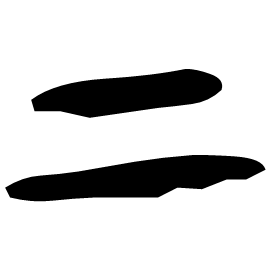
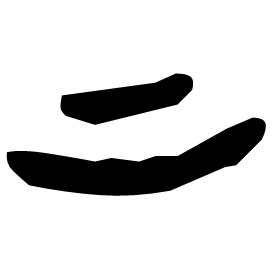
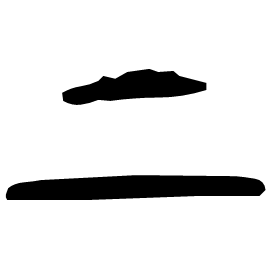
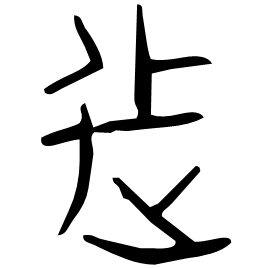
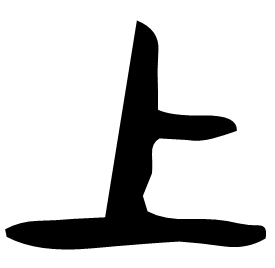
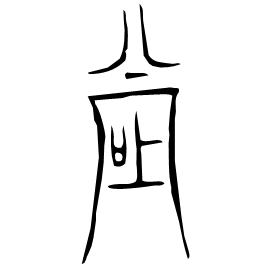
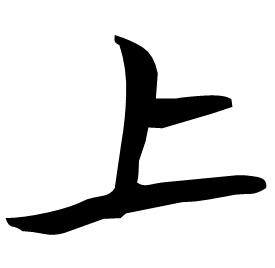
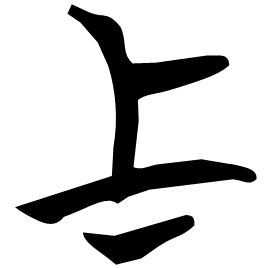
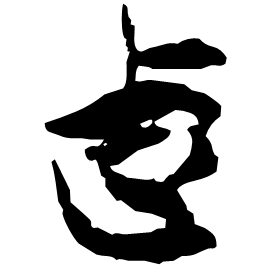
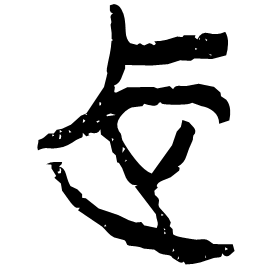
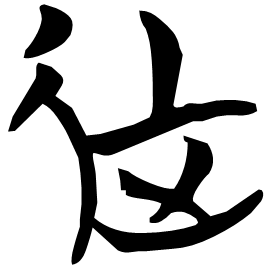
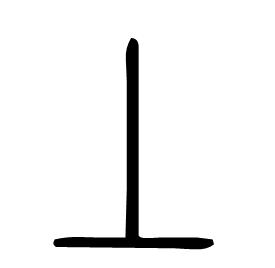
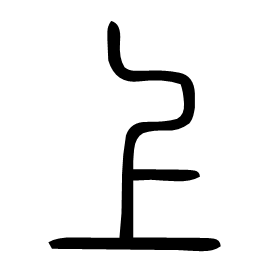
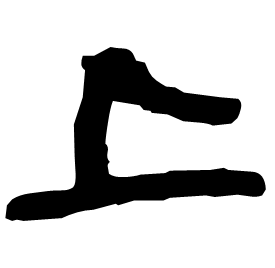
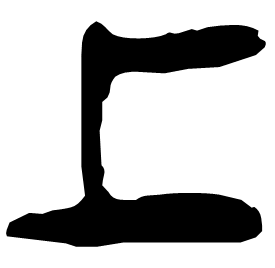
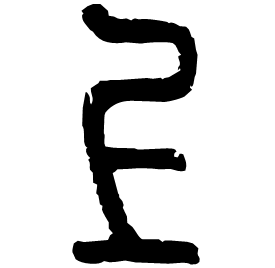
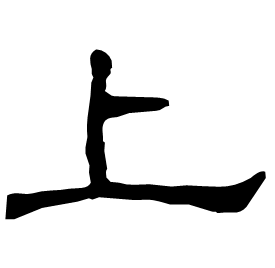
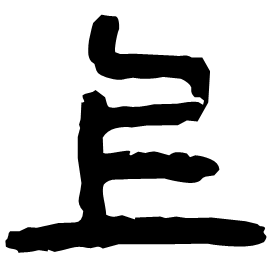
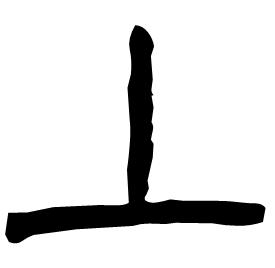
Originally a small line or dot above a longer line, indicating "up". The vertical line was added to distinguish the character from (two). Opposite of .

About

上 is an indicative ideogram, its form, a shorter horizontal stroke above a longer base line, visually conveying the concept of "above" or "on top". As a noun, it denotes the upper part or surface of an object. As a verb, it means to ascend, to board, or to submit. Grammatically, it attaches after nouns to form locative phrases and follows verbs as a directional complement, indicating upward movement or the successful placement of one object upon another.

Etymology Hide

Oracle etymology image
Oracle (~1250-1000 BC)
Oracle etymology image
Oracle (~1250-1000 BC)
Bronze etymology image
Bronze Mid Western Zhou (~900 BC)
Bronze etymology image
Bronze Mid Warring States (~300 BC)
Bronze etymology image
Bronze Late Warring States (~250 BC)
Bronze etymology image
Bronze Late Warring States (~250 BC)
Seal etymology image
Seal Chu (Warring States: 475-221 BC)
Seal etymology image
Seal Chu (Warring States: 475-221 BC)
Seal etymology image
Seal Chu (Warring States: 475-221 BC)
Seal etymology image
Seal Chu (Warring States: 475-221 BC)
Seal etymology image
Seal Chu (Warring States: 475-221 BC)
Seal etymology image
Seal Shuowen (~100 AD)
Seal etymology image
Seal Shuowen (~100 AD)
Clerical etymology image
Clerical Qin dynasty (221-206 BC)
Clerical etymology image
Clerical Western Han dynasty (202 BC-9 AD)
Seal etymology image
Seal Western Han dynasty (202 BC-9 AD)
Clerical etymology image
Clerical Eastern Han dynasty (25-220 AD)
Clerical etymology image
Clerical Wu (Three Kingdoms: 222-280 AD)
Seal etymology image
Seal Jin dynasty (266-420 AD)
Traditional Modern
Simplified Modern

Example Sentences Hide

学要迟到了。

Shàng xué yào chí dào le.

I'm going to be late for school.

他住在楼

Tā zhù zài lóu shàng.

He lives upstairs.

桌子有一本书。

Zhuōzi shàng yǒu yī běn shū.

There is a book on the table.

我喜欢在晚散步。

Wǒ xǐhuān zài wǎnshàng sànbù.

I like taking walks in the evening.

妈妈楼去睡觉了。

Māma shàng lóu qù shuìjiào le.

Mom went upstairs to sleep.

他努力学习,想考好大学。

Tā nǔlì xuéxí, xiǎng kǎo shàng hǎo dàxué.

He studies hard, hoping to test into a good university.

这次会议被安排在下个星期三午。

Zhè cì huìyì bèi ānpái zài xià gè xīngqīsān shàngwǔ.

This meeting is scheduled for next Wednesday morning.

网络的信息需要仔细甄别。

Wǎngluò shàng de xìnxī xūyào zǐxī zhēnbié.

Information on the internet needs to be carefully discerned.