About
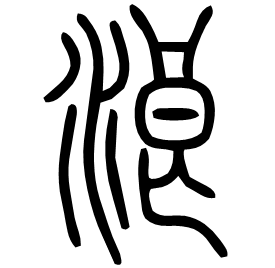
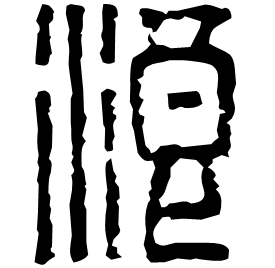
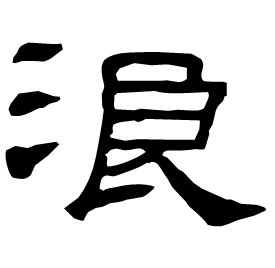
浪 is a phono-semantic compound: the water radical 氵 carries the meaning, and 良 gives the sound. Its original sense was waves or breakers on the water's surface. The idea of surging, unrestrained water later broadened metaphorically to describe unrestrained, reckless, or wasteful behaviour, as well as wandering without a fixed destination (as in terms for vagabonds or free-spirited romantics). The character's structure has remained stable, with no distinct traditional form.
Etymology Hide
Example Sentences Hide
今天的海浪很大。
他喜欢看浪花。
不要浪费食物。
浪费时间是错误的。
他们的爱情很浪漫。
海浪拍打着岩石。
虽然海浪很大,但他还是去游泳了。
他浪费了无数机会,现在后悔莫及。
Report an issue
Flag incorrect definitions, examples, etymology, etc.