About
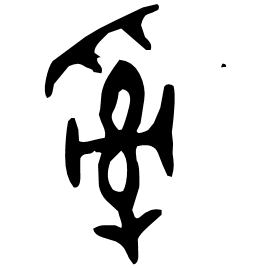
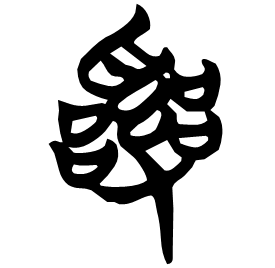
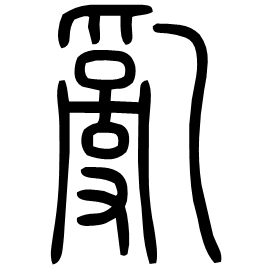
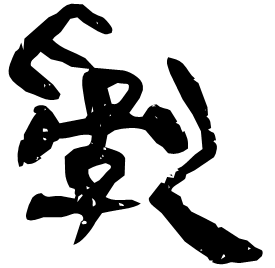
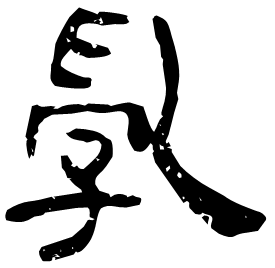
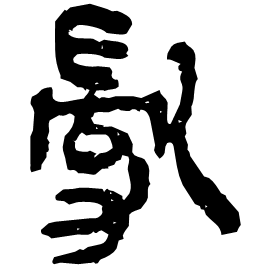
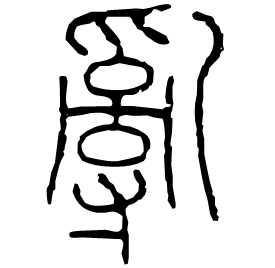
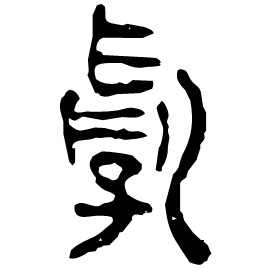
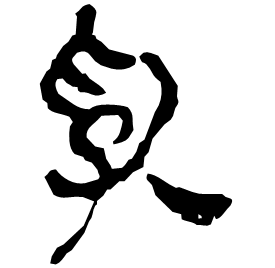
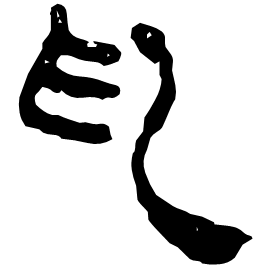
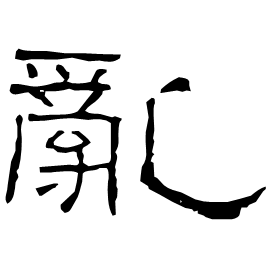
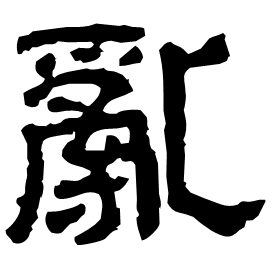
乱 is the simplified form of 亂. The traditional character depicts two hands (爪 above, 又 below) attempting to organize tangled silk threads, with 乚 on the right. The simplified version replaces the intricate left-hand elements with 舌 (tongue) while retaining 乚. Originally referring to the act of untangling threads, the character's meaning broadened to signify disorder, chaos, rebellion, social upheaval, or mental confusion, the absence of proper order.
Etymology Hide
Example Sentences Hide
我的房间很乱。
不要乱扔垃圾。
孩子们在教室里乱跑。
他的思路很乱。
战争导致社会混乱。
她的思绪很乱,无法集中精神。
市场秩序混乱,急需整顿。
在信息爆炸的时代,我们容易陷入思维混乱。
Report an issue
Flag incorrect definitions, examples, etymology, etc.