Definitions
About
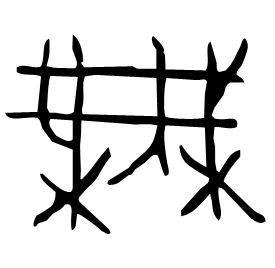
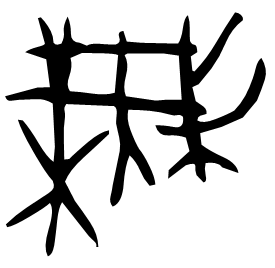
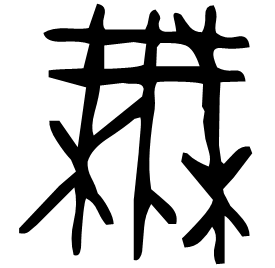
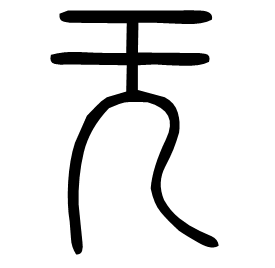
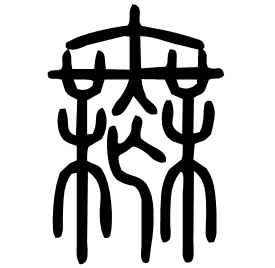
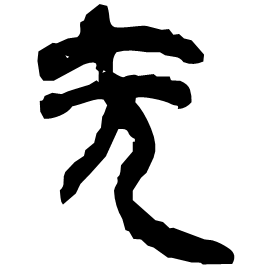
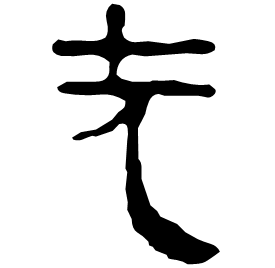
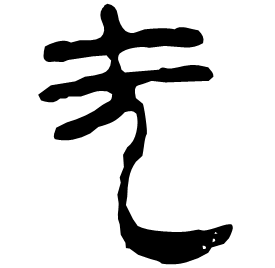
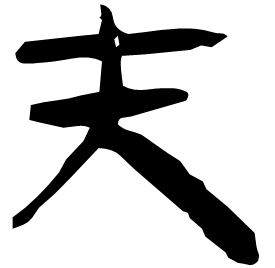
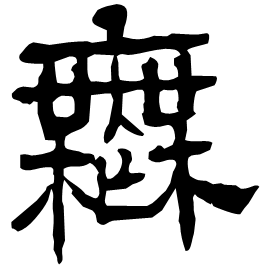
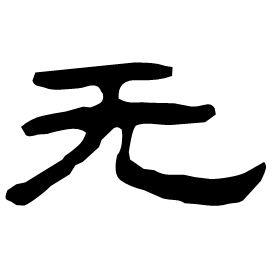
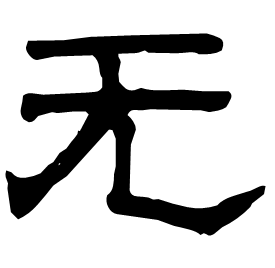
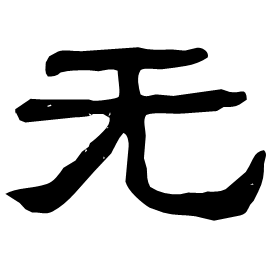
无 is the simplified form of 無, which originally depicted a person dancing with ox tails or bird feathers hanging from the arms as part of a ritual to pray for rain. This pictograph was the early form of 舞 (dance). Because the spoken words for "dance" and "without" sounded alike, the character was borrowed phonetically to represent absence or negation, and a distinct character 舞 was later created for dancing. The simplified 无 derives from a cursive shorthand of 無, condensing the complex upper elements and the four fire-dots at the bottom into a spare framework of horizontal and vertical strokes that no longer reveals the dancer.
Etymology Hide
Example Sentences Hide
我对此事无能为力。
今天真是无聊的一天。
他对这个提议毫无兴趣。
这个消息目前无法确认。
房间里空无一人。
警方表示无可奉告。
他的论证严密,无懈可击。
他无私地帮助他人,从不求回报。
Report an issue
Flag incorrect definitions, examples, etymology, etc.