About
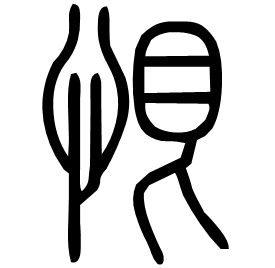
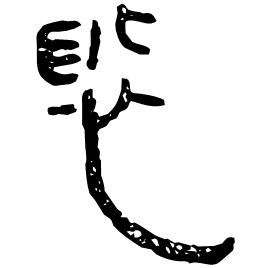
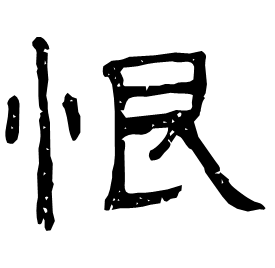
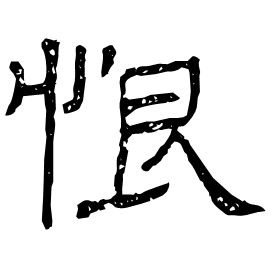
The character 恨 is a phonosemantic compound: the radical 忄 (a variant of 心 'heart') on the left signals that the meaning relates to emotions, while the component 艮 on the right gives the sound. Its core meaning is intense hatred, animosity, or resentment toward someone or something. Additionally, it conveys deep regret, remorse, or sorrow over a missed opportunity or tragic outcome, carrying a lingering sense of grievance or unfulfilled desire.
Etymology Hide
Example Sentences Hide
这种行为很可恨。
我对他没有任何恨意。
他悔恨自己犯的错误。
她心中充满了怨恨。
即使被伤害,我也不恨你。
如果你恨一个人,你会很难快乐。
他不仅恨对方的欺骗,还恨自己的轻信。
在漫长的历史中,民族间的仇恨曾导致无数战争。
Report an issue
Flag incorrect definitions, examples, etymology, etc.