Definitions

(adverb) not; no

Etymology

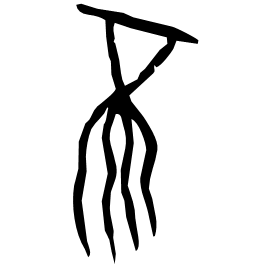
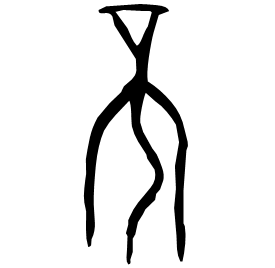
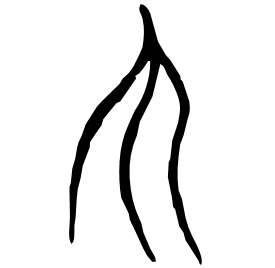
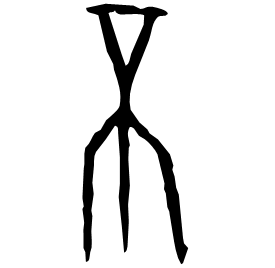
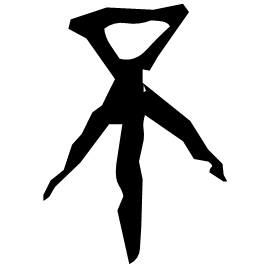
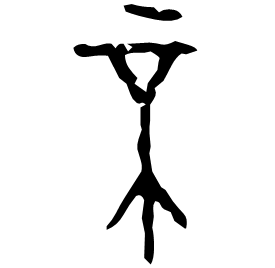
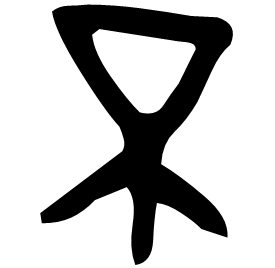
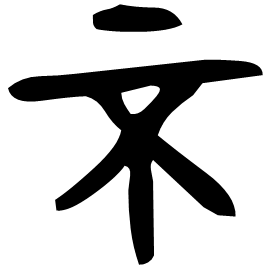
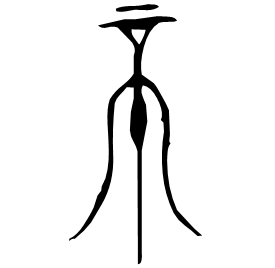
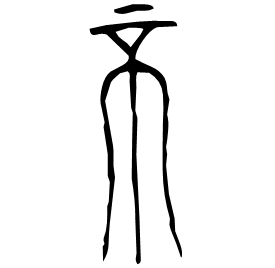
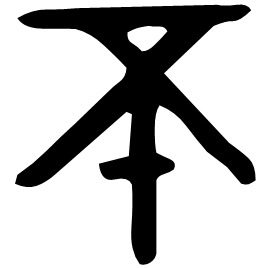
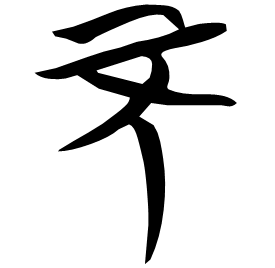
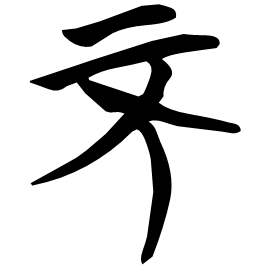
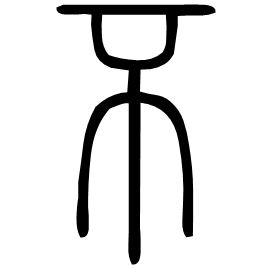
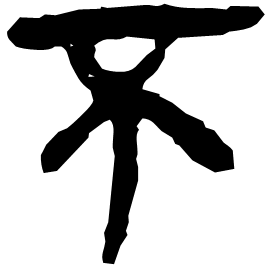
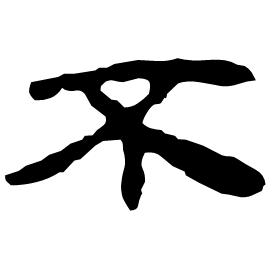
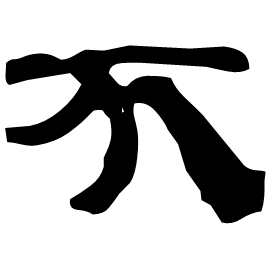
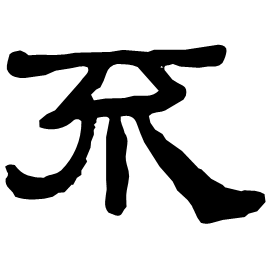
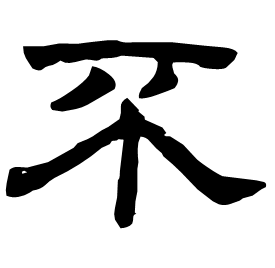
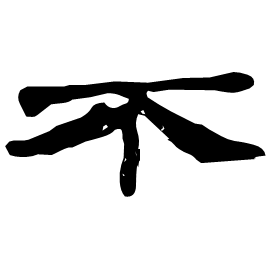
Pictograph of sepals of a flower. The modern meaning "no" is a phonetic loan.

About

The character 不 has served as a fundamental negative adverb in Chinese since its earliest recorded use, with its form deriving from an archaic pictograph suggesting prohibition or denial. Structurally, the modern glyph is a monolithic entity with no decomposable phonetic or semantic components in either its traditional or simplified manifestations, as it remains unchanged. Etymological analysis indicates it was initially a loan character for negation, and while its application has broadened within syntactic constraints, its essential function of expressing negation has persisted without substantive shift from classical to modern Chinese.

Etymology Hide

Oracle etymology image
Oracle (~1250-1000 BC)
Oracle etymology image
Oracle (~1250-1000 BC)
Oracle etymology image
Oracle (~1250-1000 BC)
Oracle etymology image
Oracle (~1250-1000 BC)
Oracle etymology image
Oracle (~1250-1000 BC)
Oracle etymology image
Oracle (~1250-1000 BC)
Bronze etymology image
Bronze Early Western Zhou (~1000 BC)
Bronze etymology image
Bronze Late Spring and Autumn (~500 BC)
Bronze etymology image
Bronze Late Spring and Autumn (~500 BC)
Bronze etymology image
Bronze Early Warring States (~400 BC)
Bronze etymology image
Bronze Late Warring States (~250 BC)
Seal etymology image
Seal Chu (Warring States: 475-221 BC)
Seal etymology image
Seal Chu (Warring States: 475-221 BC)
Seal etymology image
Seal Shuowen (~100 AD)
Clerical etymology image
Clerical Qin dynasty (221-206 BC)
Clerical etymology image
Clerical Western Han dynasty (202 BC-9 AD)
Clerical etymology image
Clerical Western Han dynasty (202 BC-9 AD)
Clerical etymology image
Clerical Eastern Han dynasty (25-220 AD)
Clerical etymology image
Clerical Eastern Han dynasty (25-220 AD)
Clerical etymology image
Clerical Eastern Han dynasty (25-220 AD)
Traditional Modern
Simplified Modern

Example Sentences Hide

是我的书。

Zhè bù shì wǒ de shū.

This is not my book.

知道答案。

Wǒ bù zhīdào dá'àn.

I do not know the answer.

喝咖啡。

Tā bù hē kāfēi.

She does not drink coffee.

今天会下雨。

Jīntiān bù huì xiàyǔ.

It will not rain today.

我们应该迟到。

Wǒmen bù yīnggāi chídào.

We should not be late.

同意我的观点。

Tā bù tóngyì wǒ de guāndiǎn.

He does not agree with my point of view.

如果努力,就会成功。

Rúguǒ bù nǔlì, jiù bù huì chénggōng.

If you do not work hard, you will not succeed.

尽管遇到了困难,他从放弃。

Jǐnguǎn yù dào le kùnnán, tā cóng bù fàngqì.

Even though he encountered difficulties, he never gives up.